


Fatty Liver Disease Treatment in Indore: Practical Steps for Better Liver Health
Fatty liver disease develops when excess fat accumulates inside the liver. In its early stages, it may not cause clear symptoms, so many people discover it unexpectedly during an ultrasound, liver function test or routine health examination. Although the condition is often manageable, it should not be ignored because persistent fat buildup may lead to inflammation, liver scarring and more serious complications in some patients.
Seeking timely Fatty Liver Disease Treatment in Indore helps identify the cause, assess the severity and create a practical management plan. Treatment is not limited to taking medicine. It commonly includes gradual weight management, balanced nutrition, regular activity and better control of diabetes, cholesterol, blood pressure and other metabolic conditions.
The modern medical term for fatty liver associated with metabolic risk factors is Metabolic Dysfunction-Associated Steatotic Liver Disease, or MASLD. It was previously called non-alcoholic fatty liver disease or NAFLD.
What Is Fatty Liver Disease?
The liver performs many vital functions, including processing nutrients, supporting digestion, regulating energy storage and removing harmful substances from the blood. Fatty liver disease occurs when more fat than normal becomes stored in liver cells.
The condition may remain at the stage of simple fat accumulation, but some people develop liver inflammation and fibrosis, also known as scarring. The inflammatory form is now called metabolic dysfunction-associated steatohepatitis, or MASH, which was previously known as NASH.
Fatty liver can be associated with:
The underlying cause must be identified because treatment for metabolic fatty liver may differ from the approach required for alcohol-related or medication-related liver disease.
The goal of Fatty Liver Disease Treatment in Indore is to reduce liver fat, prevent further damage and manage the metabolic conditions contributing to the problem.
A personalised treatment plan may include:
Treatment depends on the severity of the condition. A person with mild fatty liver and no fibrosis may require structured lifestyle changes and regular monitoring, while someone with inflammation or significant scarring may need specialist follow-up and additional investigations.
Why Fatty Liver Often Goes Undetected
Fatty liver disease is frequently described as a silent condition because many patients do not notice symptoms during its early stages. A person may feel healthy even when fat has already accumulated in the liver.
When symptoms do occur, they can be vague and may include:
These symptoms can occur in many other conditions, so fatty liver cannot be diagnosed from symptoms alone. Blood tests, imaging and clinical evaluation are needed.
More advanced liver disease may cause jaundice, swelling in the abdomen or legs, easy bruising, confusion or unexplained weight loss. Such symptoms require prompt medical attention.
Who Should Consider a Fatty Liver Evaluation?
People with certain metabolic conditions may have a higher risk of developing fatty liver. Evaluation may be particularly useful for individuals who have:
Type 2 diabetes, insulin resistance, excess weight and abnormal blood fats are strongly associated with metabolic fatty liver disease.
A normal liver enzyme report does not always rule out fatty liver or liver scarring. The doctor may recommend further assessment based on the person’s overall risk profile.
How Is Fatty Liver Diagnosed?
Medical History
The doctor may ask about weight changes, diet, physical activity, diabetes, cholesterol, medicines, supplements and alcohol consumption. Honest information helps distinguish between different causes of liver fat.
Blood Tests
Liver function tests may show raised enzymes, but some people with fatty liver can have results within the normal range. Blood glucose, HbA1c, triglycerides and cholesterol may also be tested to identify related metabolic concerns.
Abdominal Ultrasound
An ultrasound can detect fat accumulation in the liver. However, it may not reliably determine the degree of inflammation or fibrosis.
Fibrosis Assessment
Depending on the patient’s risk, the doctor may recommend non-invasive scores, elastography or FibroScan to estimate liver stiffness and identify possible scarring.
Additional Tests
Further tests may be required to exclude viral hepatitis, autoimmune liver disease, medication-related injury or other causes of abnormal liver reports. A liver biopsy is not required for every patient but may be considered when the diagnosis or disease stage remains uncertain.
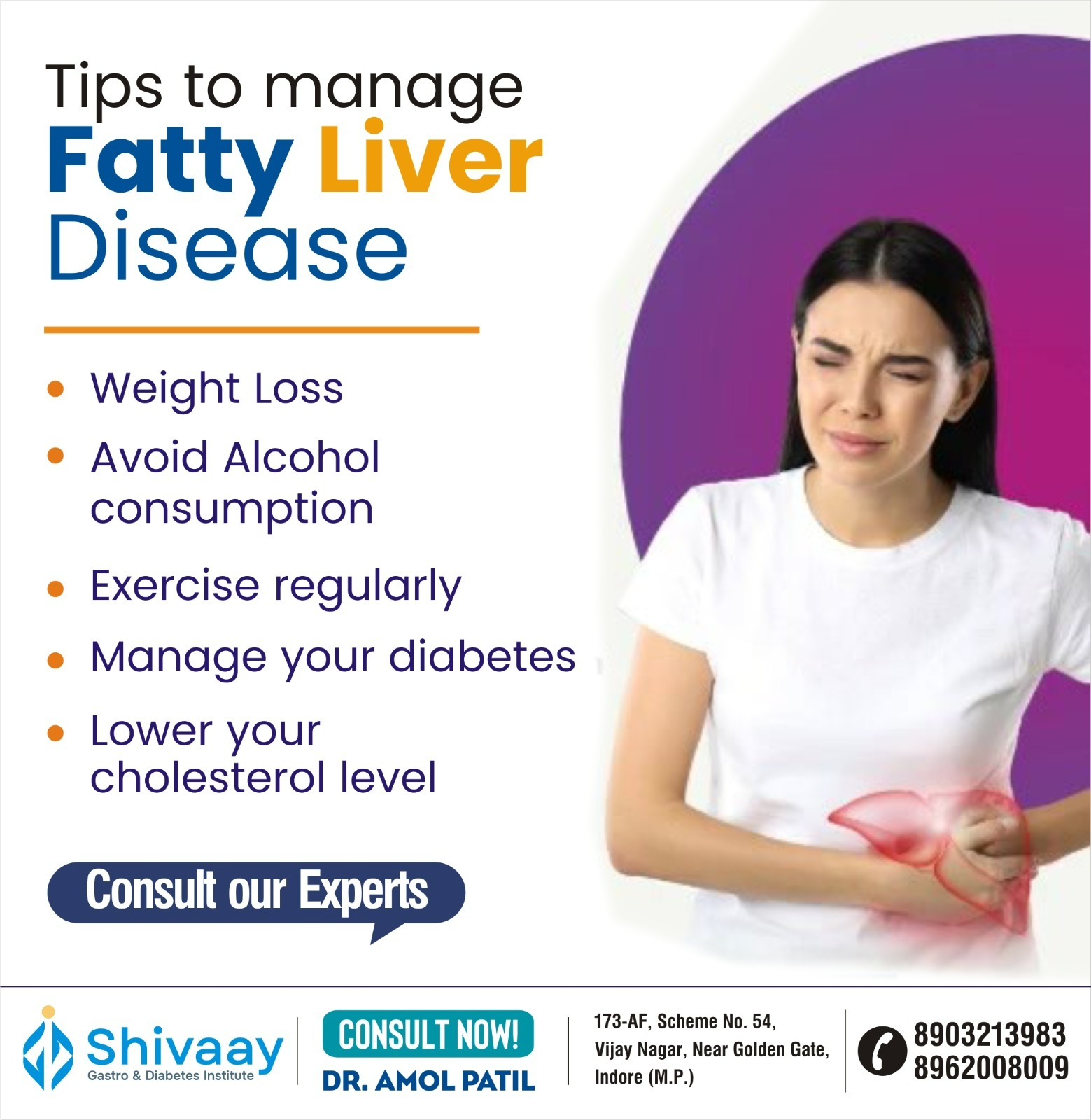
Five Important Ways to Manage Fatty Liver Disease
1. Achieve Gradual and Sustainable Weight Loss
For people who are overweight or living with obesity, gradual weight loss is one of the most effective approaches to improving fatty liver.
Losing approximately 3% to 5% of body weight may reduce liver fat. Greater loss, often around 7% to 10%, may be needed to improve liver inflammation and fibrosis in some patients. Rapid weight loss and malnutrition should be avoided because they may worsen liver health.
A realistic weight-management strategy may include:
The goal should be steady improvement rather than an extreme or temporary diet.
2. Follow a Balanced, Liver-Friendly Diet
There is no single diet suitable for every patient. However, a healthy eating pattern generally includes vegetables, whole grains, pulses, controlled portions of fruit, suitable proteins and healthy fats.
Patients may be advised to reduce:
Healthy eating, portion control and maintaining an appropriate weight form an important part of preventing and managing metabolic fatty liver disease.
People with diabetes, kidney disease or other medical conditions should obtain personalised dietary guidance rather than following a general online meal plan.
3. Exercise Regularly
Physical activity can improve insulin sensitivity, support weight management and reduce liver fat. It may provide benefits even when the person has not yet achieved significant weight loss.
Suitable activities may include:
Beginners should increase activity gradually. Patients with heart disease, severe obesity, joint problems or other health concerns should seek medical guidance before starting an intensive exercise programme.
4. Avoid or Strictly Limit Alcohol
Alcohol can place additional strain on the liver and may worsen existing liver damage. The safe approach depends on the cause and stage of liver disease.
Patients with alcohol-related fatty liver may need complete abstinence. Stopping alcohol consumption can allow improvement, particularly during the earlier stages of alcohol-related liver damage.
People with metabolic fatty liver should discuss alcohol intake honestly with their doctor. Avoiding alcohol is generally advisable when liver enzymes are elevated, fibrosis is present or another liver condition has been identified.
5. Control Diabetes, Cholesterol and Blood Pressure
Fatty liver is closely linked with metabolic health. Poorly controlled diabetes, high triglycerides, abnormal cholesterol and hypertension can increase the risk of disease progression.
Management may involve:
For comprehensive evaluation and personalised fatty liver management in Indore, Dr. Amol Patil provides guidance based on liver findings, metabolic risk factors and the patient’s overall health needs.
Are Medicines Required for Fatty Liver?
Not every patient requires a liver-specific medicine. Lifestyle modification and management of associated metabolic conditions remain central components of care.
Medication decisions depend on whether the patient has simple fatty liver, inflammation, fibrosis, diabetes, obesity or another liver condition. Patients should not start vitamin E, herbal preparations, weight-loss products or so-called liver detox supplements without medical advice.
Some herbal and alternative remedies may cause liver injury rather than improve liver health. The NIDDK advises discussing supplements and complementary products with a doctor because some remedies can damage the liver.
Prescribed medicines for diabetes, cholesterol, blood pressure or obesity should not be discontinued because of fatty liver unless the treating physician recommends a change.
Can Fatty Liver Be Reversed?
Early-stage fatty liver can often improve when the underlying causes are addressed. Weight reduction, regular physical activity, healthier food choices and better metabolic control can lower liver fat and may reduce inflammation.
The possibility of improvement depends on:
Advanced fibrosis or cirrhosis requires closer specialist care. While some liver changes may improve, established cirrhosis cannot be managed through lifestyle changes alone.
Everyday Habits That Support Liver Health
Small and repeatable changes are usually more effective than strict short-term plans.
These habits support liver health while also benefiting the heart, blood glucose and overall well-being.
When Should You Seek Medical Attention?
Arrange a medical consultation when you have:
Seek urgent medical attention for yellowing of the eyes, vomiting blood, black stools, severe abdominal swelling, confusion or unusual drowsiness.
Frequently Asked Questions
1. Is fatty liver dangerous?
Mild fatty liver may remain stable or improve with treatment. However, some patients can develop inflammation, fibrosis and eventually cirrhosis. Medical evaluation helps identify the individual level of risk.
2. Can a thin person develop fatty liver?
Yes. Fatty liver can also occur in people who are not visibly overweight, particularly when they have diabetes, high triglycerides, insulin resistance, genetic risk factors or an unhealthy distribution of body fat.
3. Is exercise enough to cure fatty liver?
Exercise is beneficial and can reduce liver fat, but management may also require dietary changes, gradual weight reduction and control of diabetes, cholesterol and blood pressure. The complete plan depends on the patient’s condition.
4. How often should liver tests be repeated?
The monitoring schedule depends on liver enzymes, ultrasound findings, fibrosis risk and associated health conditions. The treating doctor may recommend follow-up after a few months or at another suitable interval.
Consult a Fatty Liver in Indore
Fatty liver should be treated as an opportunity to improve overall metabolic health rather than as an isolated ultrasound finding. Timely evaluation can determine whether the condition is mild or whether inflammation and fibrosis need closer attention.
For professional guidance regarding Fatty Liver Disease Treatment in Indore, consult Dr. Amol Patil for a structured assessment, lifestyle planning and appropriate liver-health monitoring.
Contact Us Today to Schedule Your Fatty Liver Consultation in Indore and Take a Positive Step Toward Better Liver Health.
| Tags: | #Fatty Liver Disease Treatment in Indore |


