


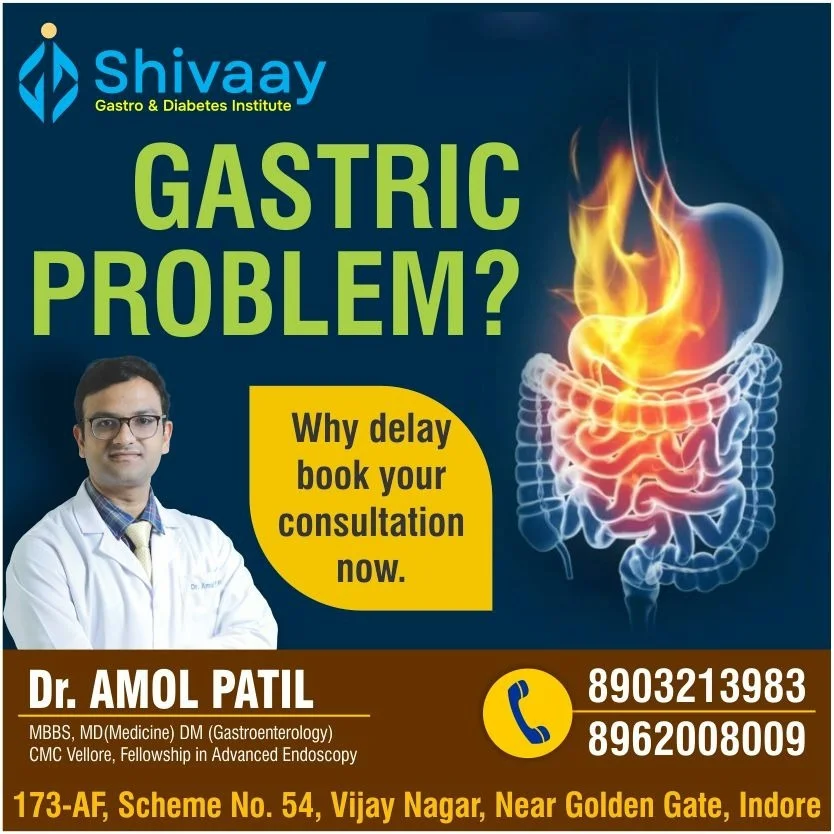
Gastric discomfort can interfere with everyday life in many ways. Burning in the chest or upper abdomen, bloating after meals, frequent burping, heaviness, nausea, acidity, indigestion, or recurring abdominal discomfort may make eating and working difficult. While an occasional digestive problem can happen to anyone, persistent or frequently returning symptoms should not be ignored.
If you are searching for gastric problem treatment in Indore, an evaluation by a qualified gastroenterologist can help identify the underlying reason rather than repeatedly depending on temporary relief. Shivaay Gastro & Diabetes Institute provides gastroenterology consultation in Indore for people experiencing recurring digestive and stomach-related concerns.
Understanding what triggers gastric symptoms, recognizing warning signs, and seeking timely medical guidance can help you take better care of your digestive health.
The term “gastric problem” is commonly used to describe several digestive symptoms rather than one specific disease. People may use it for acidity, gas, indigestion, bloating, stomach burning, abdominal discomfort, or reflux.
These symptoms can develop because of a variety of digestive conditions.
Common possibilities include:
Because different conditions can create similar symptoms, proper diagnosis is important when the problem keeps returning.
A consultation with a gastroenterologist in Indore can help determine whether the symptoms are related to lifestyle factors, acid-related disease, infection, or another gastrointestinal condition.
Digestive symptoms can vary from person to person. Some people mainly experience burning, while others struggle with bloating or discomfort after eating.
Frequently reported symptoms include:
Recurring symptoms deserve medical attention, particularly when they begin affecting sleep, food intake, work, or daily activities.
There is rarely one universal cause of digestive discomfort.
Some common contributing factors may include:
Long gaps between meals, late-night eating, or frequently skipping meals may worsen digestive symptoms in some individuals.
Highly oily, spicy, fried, or heavy meals may trigger acidity or reflux in susceptible people.
Large amounts of caffeine may aggravate gastric symptoms in some patients.
These can affect the digestive system and may contribute to irritation or reflux.
Stress does not automatically cause every stomach disorder, but it can influence digestive symptoms and make existing discomfort more noticeable.
Some painkillers and other medications can irritate the stomach lining, especially when used frequently or without appropriate medical guidance.
Gastritis, reflux disease, ulcers, infections, and other conditions can also produce recurring gastric symptoms.
This is why persistent problems should be assessed rather than treated solely with over-the-counter medicines.
Gastritis refers to inflammation or irritation of the stomach lining.
Some people with gastritis may experience upper abdominal discomfort, nausea, burning, bloating, or reduced appetite. Others may have minimal symptoms.
Potential causes can include infection with Helicobacter pylori, certain medicines, alcohol use, and other factors.
If you are looking for gastritis treatment in Indore, a gastroenterologist may evaluate your symptoms and decide whether investigations are required.
Treatment depends on the underlying cause rather than simply treating the burning sensation.
Acid reflux happens when stomach contents move upward toward the food pipe.
A common symptom is heartburn, which may feel like burning behind the chest or upper abdomen. Some individuals also experience a sour taste, throat irritation, cough, or discomfort after lying down.
Occasional reflux can occur after a large or heavy meal, but frequent episodes may need further assessment.
People experiencing recurring symptoms can seek acid reflux treatment in Indore to determine whether lifestyle modification, medication, or additional investigation is necessary.
Many mild digestive symptoms may improve with dietary changes, but some signs should not be repeatedly ignored.
You should consider consulting a gastric problem doctor in Indore if you experience:
Severe or sudden symptoms may require urgent medical attention.
The diagnostic process usually begins with a detailed medical history.
A doctor may ask about:
Depending on the findings, further investigations may be suggested.
These can include blood tests, stool tests, imaging studies, or endoscopy when clinically appropriate.
The purpose of investigation is to identify the cause rather than treating every stomach complaint in the same way.
Upper gastrointestinal endoscopy is a procedure that allows a doctor to examine the upper digestive tract using a flexible camera.
It may be advised in selected patients with persistent symptoms, swallowing difficulties, suspected ulcers, gastrointestinal bleeding, or other concerning findings.
Not every person with acidity needs endoscopy.
An experienced gastro doctor in Indore can decide whether the procedure is actually necessary based on symptoms and medical evaluation.
Treatment varies depending on the diagnosis.
Possible approaches may include:
Medicines may be prescribed to control acid production, treat infections, protect the stomach lining, or manage other specific digestive conditions.
Patients may be advised to reduce foods that repeatedly trigger symptoms.
Rather than following highly restrictive diets without medical guidance, it is often better to identify individual triggers.
Eating at regular intervals and avoiding large meals immediately before bedtime may benefit some people with reflux or indigestion.
For certain patients, healthy weight management can help reduce reflux-related symptoms.
If symptoms are caused by an ulcer, infection, reflux disease, or another gastrointestinal condition, treatment should focus on that specific cause.
Professional gastric treatment in Indore therefore depends on diagnosis and individual patient needs.
Along with appropriate medical care, everyday habits can support digestive comfort.
Consider these practical measures:
Lifestyle measures may help symptoms but should not replace medical evaluation when problems are persistent or severe.
Many people treat recurring acidity with the same medicine each time without understanding why symptoms are returning.
Temporary relief does not always mean the underlying problem has resolved.
Repeated self-medication can also delay the diagnosis of conditions that need specific treatment.
If gastric complaints keep coming back, consulting a stomach specialist in Indore may be more useful than repeatedly changing antacids or home remedies.
A doctor can evaluate whether symptoms are related to reflux, gastritis, ulcer disease, food sensitivity, or another gastrointestinal issue.
Not always. Gas and acidity can occur because of dietary habits, meal timings, or temporary indigestion. However, frequent or persistent symptoms may also be associated with conditions such as gastritis or reflux disease, so medical evaluation may be advisable.
Consider consultation if acidity occurs repeatedly, interrupts sleep, continues despite treatment, or is accompanied by difficulty swallowing, unexplained weight loss, vomiting, bleeding, or persistent abdominal pain.
No. Endoscopy is not required for every case of gas or acidity. A gastroenterologist decides whether it is needed after evaluating symptoms, medical history, age, risk factors, and response to treatment.
Dietary changes can reduce symptoms in many people, but the result depends on the actual cause. Persistent gastritis, reflux, infection, or ulcer disease may need medical treatment in addition to dietary modification.
Repeated acidity, bloating, indigestion, stomach burning, or abdominal discomfort should not become part of your normal routine. Identifying the actual cause is the first step toward choosing appropriate treatment and preventing unnecessary self-medication.
For professional gastric problem treatment in Indore, consult Shivaay Gastro & Diabetes Institute for gastroenterology evaluation, appropriate diagnostic guidance, and individualized digestive care.
Contact Us Today to schedule a consultation and take the next step toward better digestive health.
| Tags: | #Gastric Problem Treatment in Indore |


